Tattoo ideas/Japanese
Japanese TattooInspiration and designs
30+ Japanese tattoo templates (Irezumi) sorted by style and body placement. See your design on your own skin before you commit. Created in seconds.
The best Japanese tattoo ideas
On real skin10 photorealistic previews so you can decide before your appointment.


More inspiration
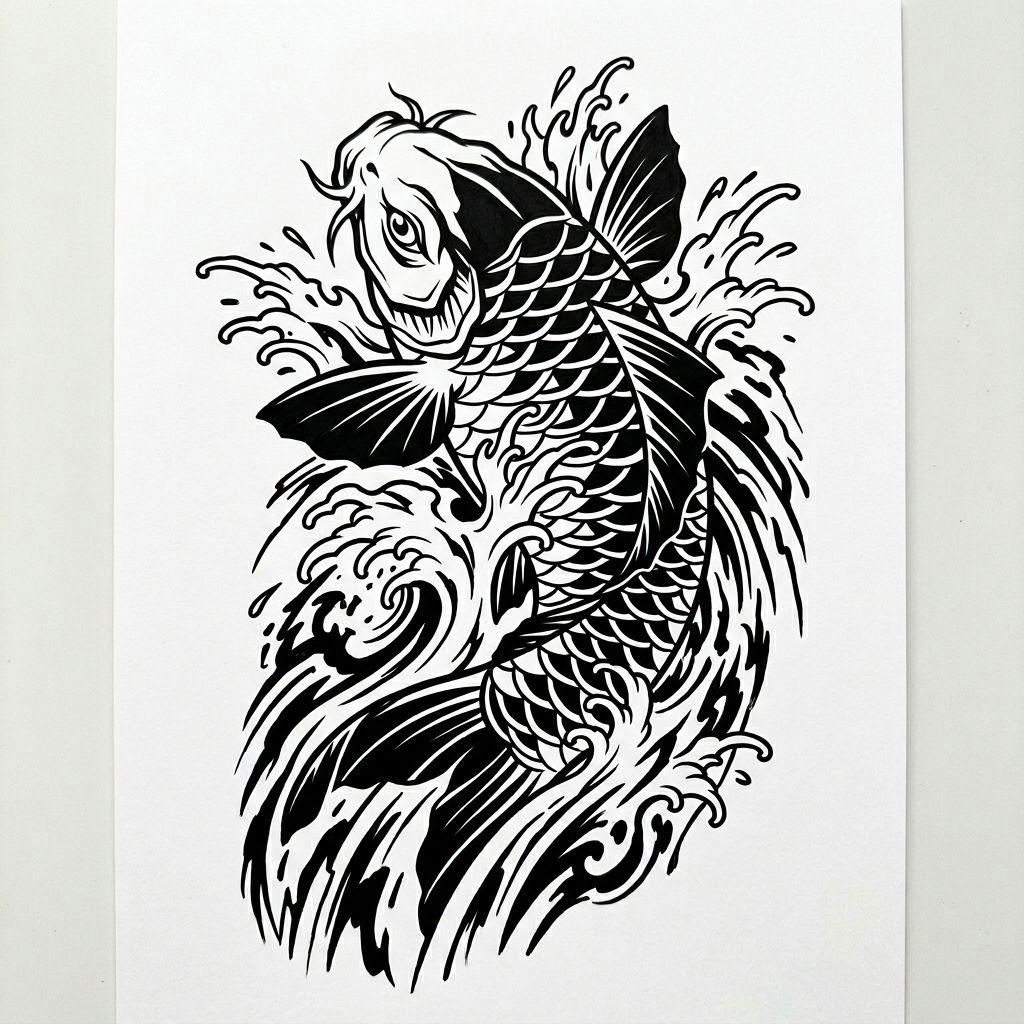
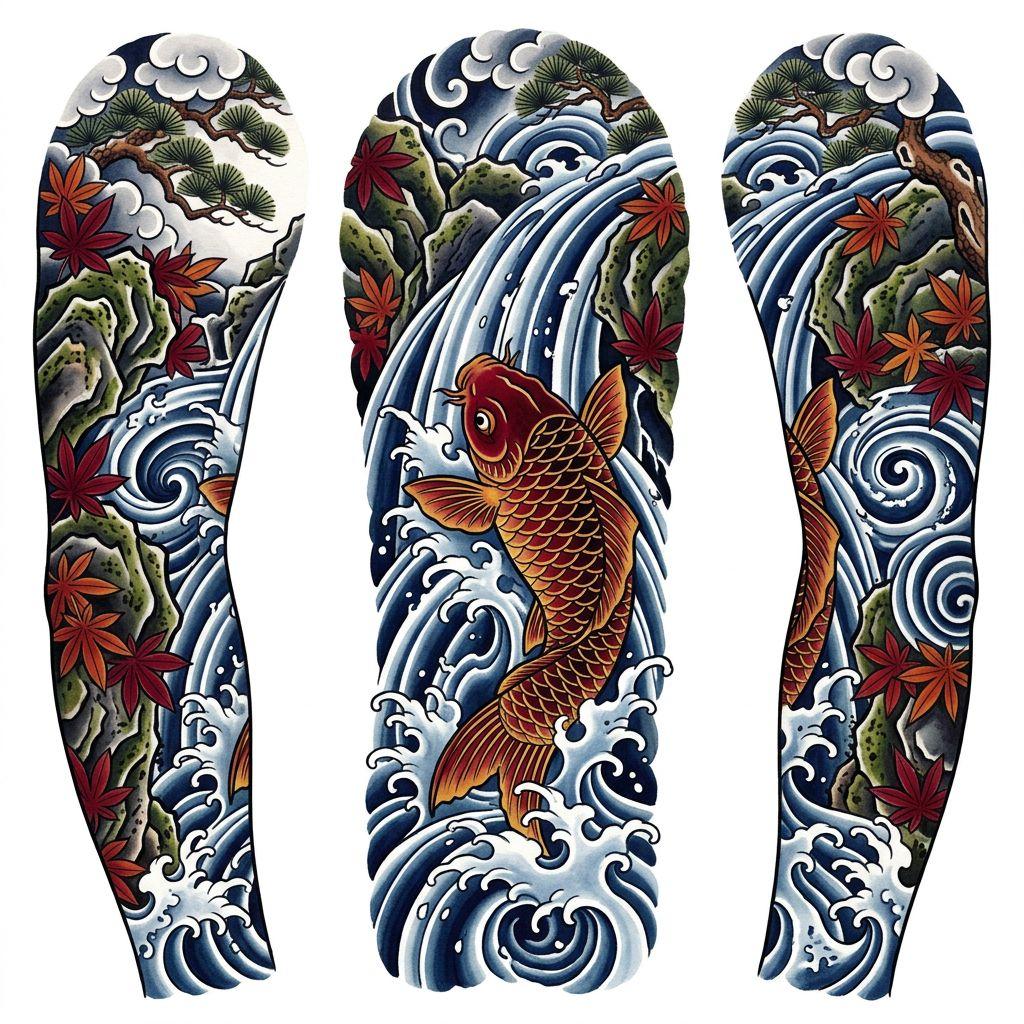
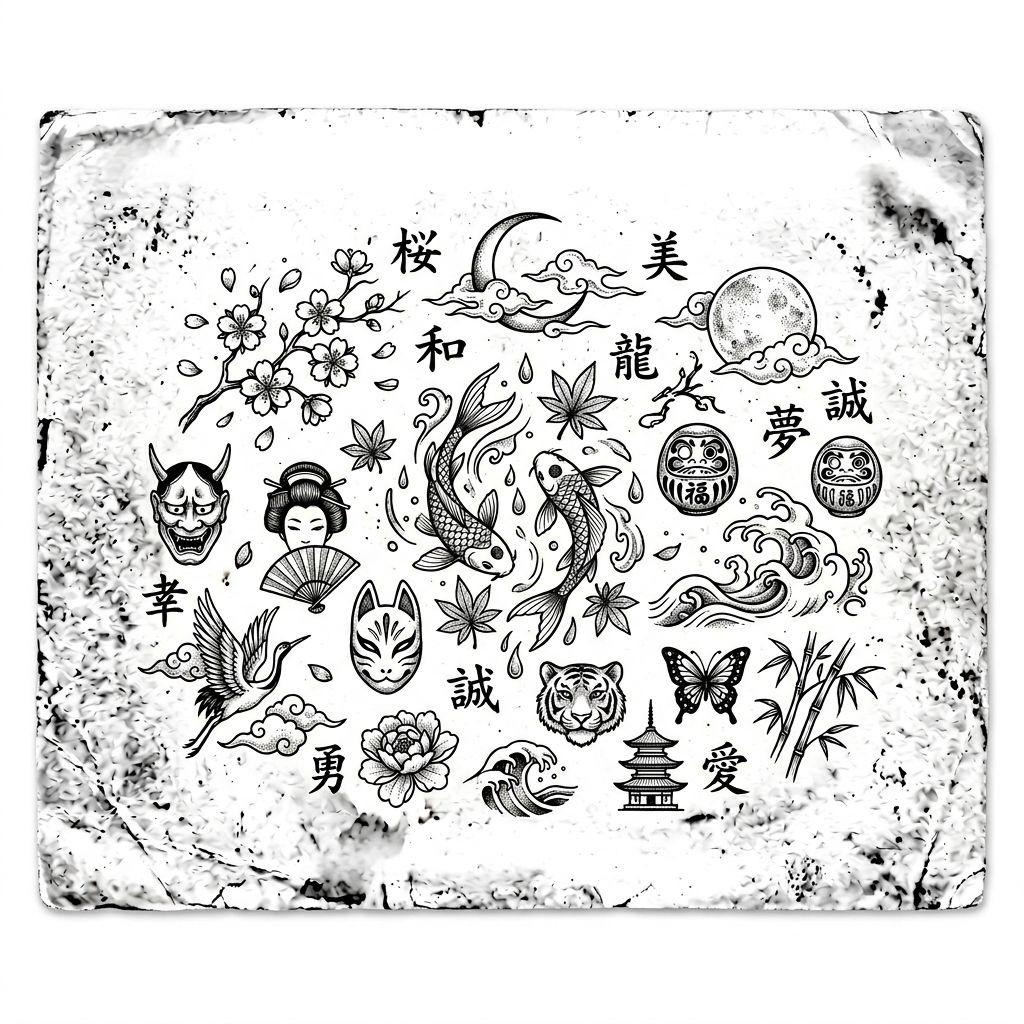
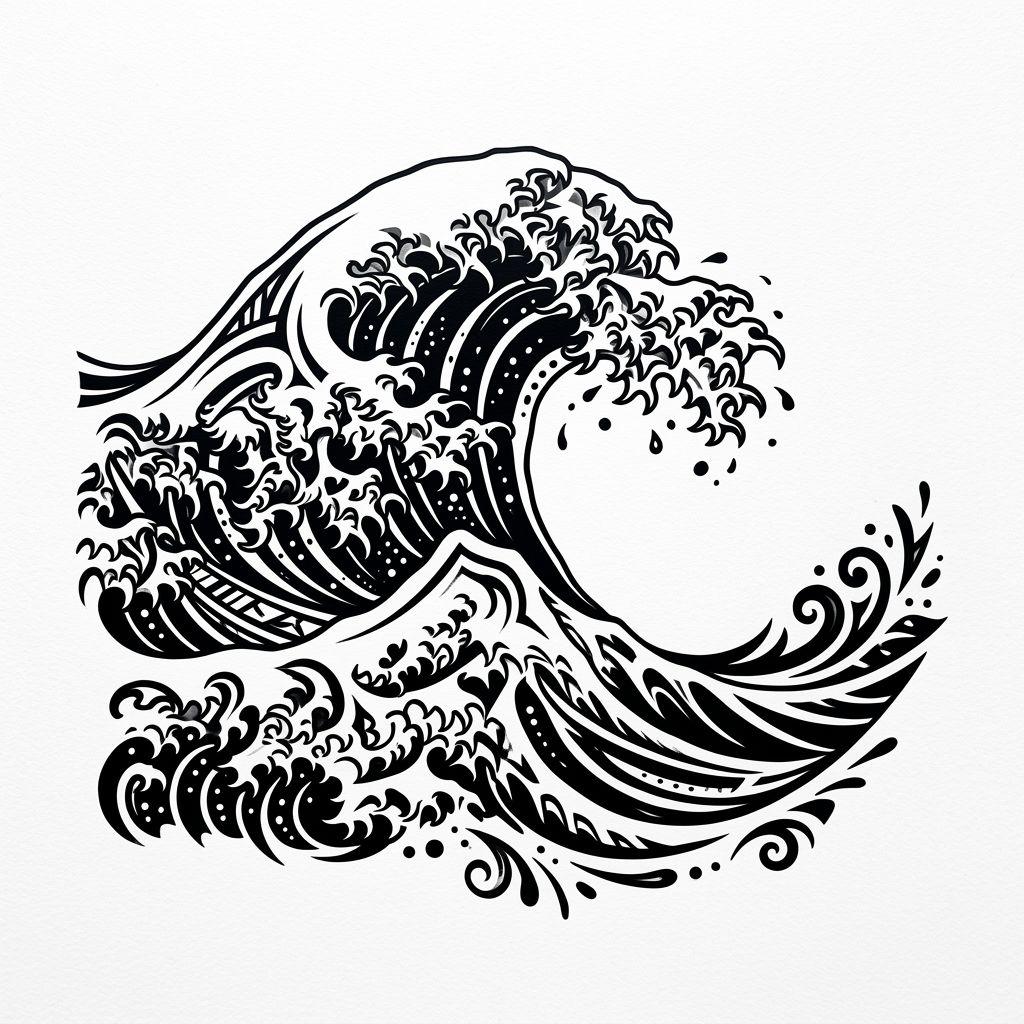
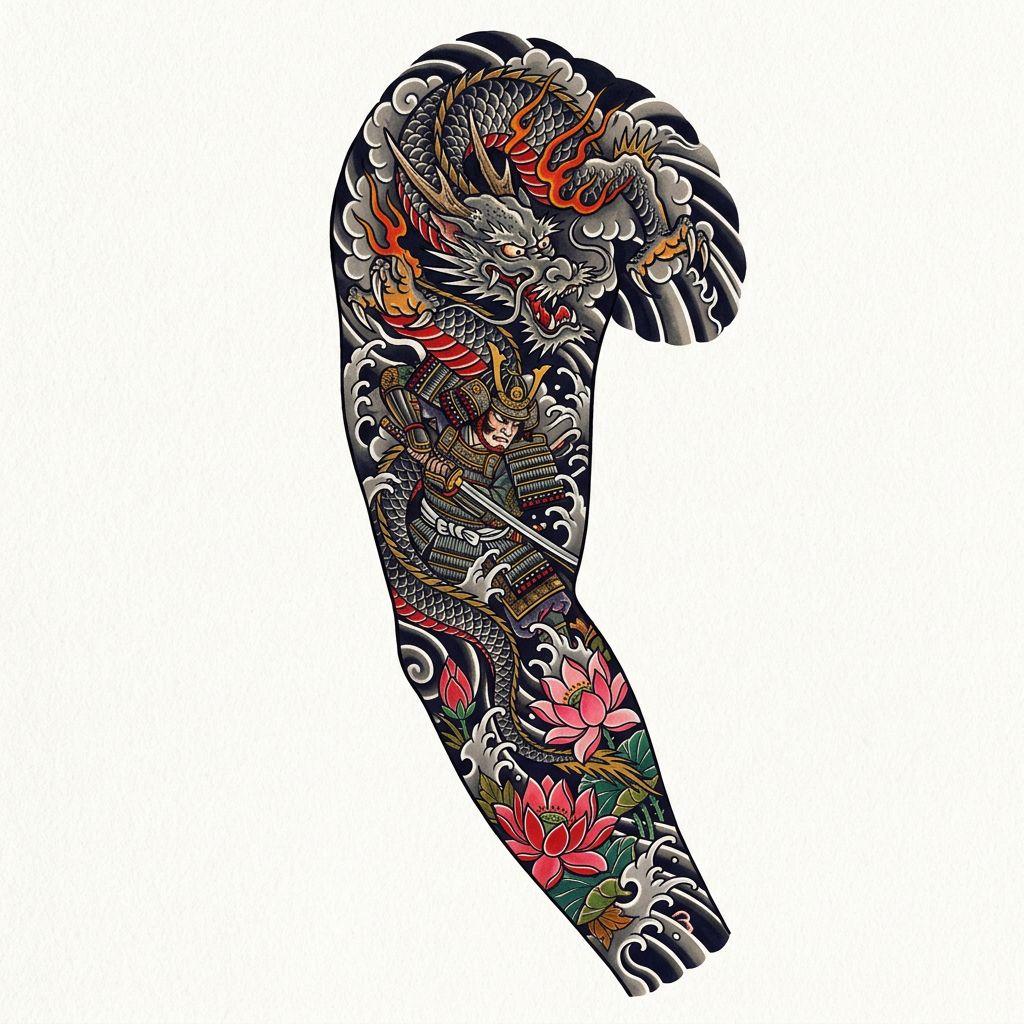
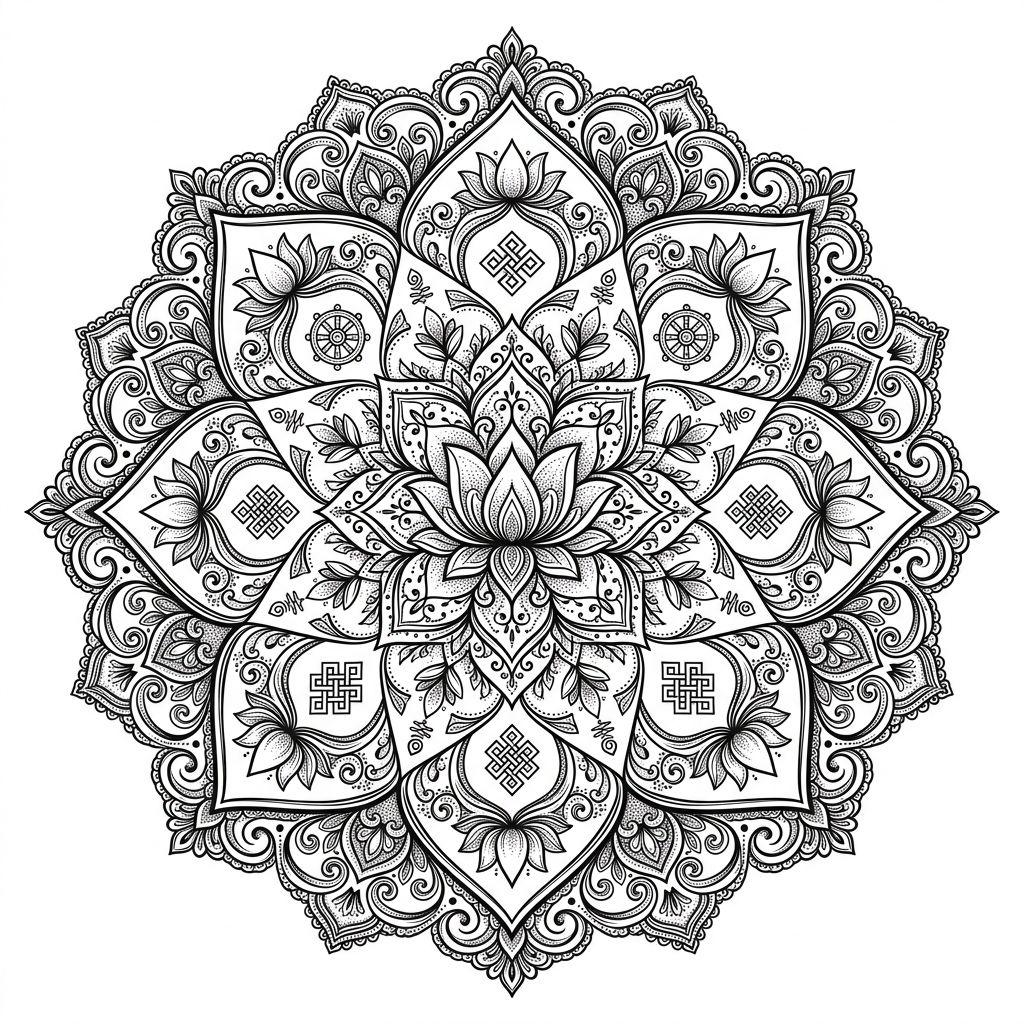
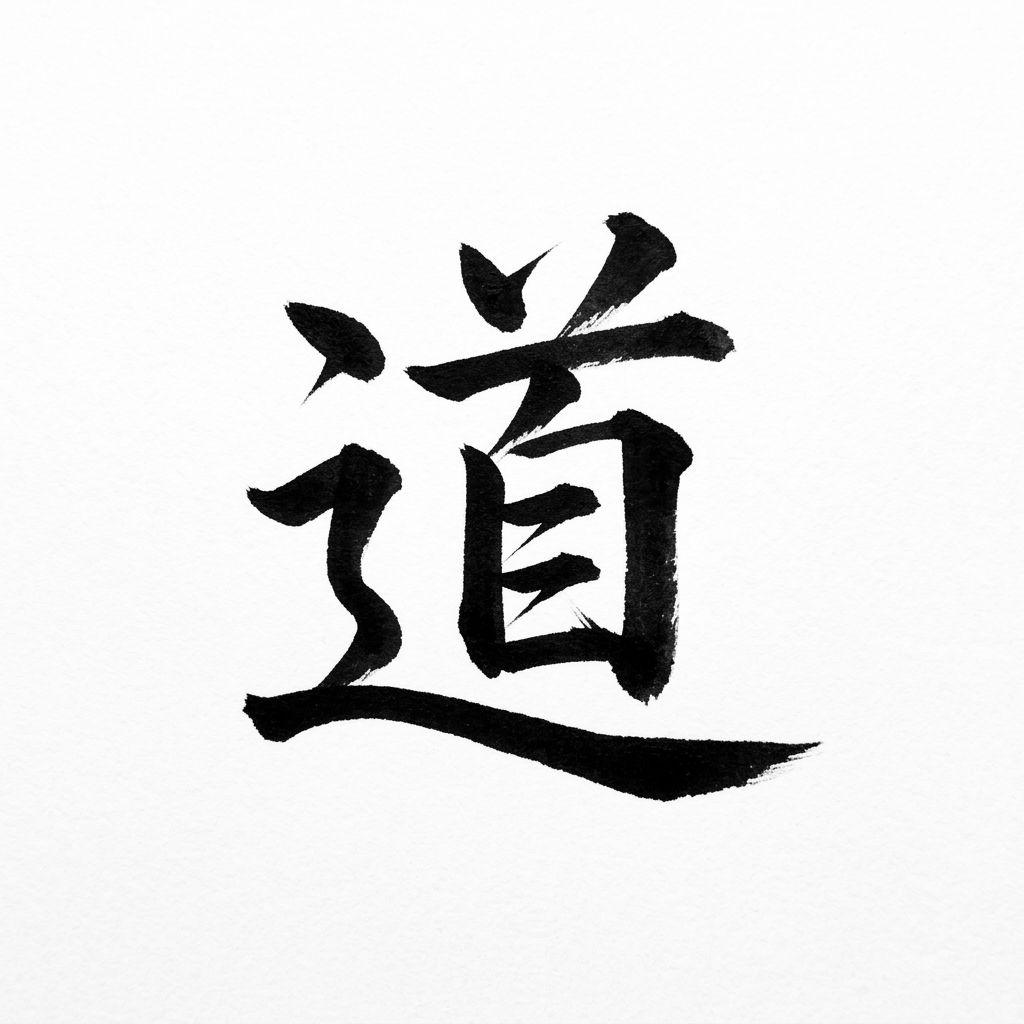
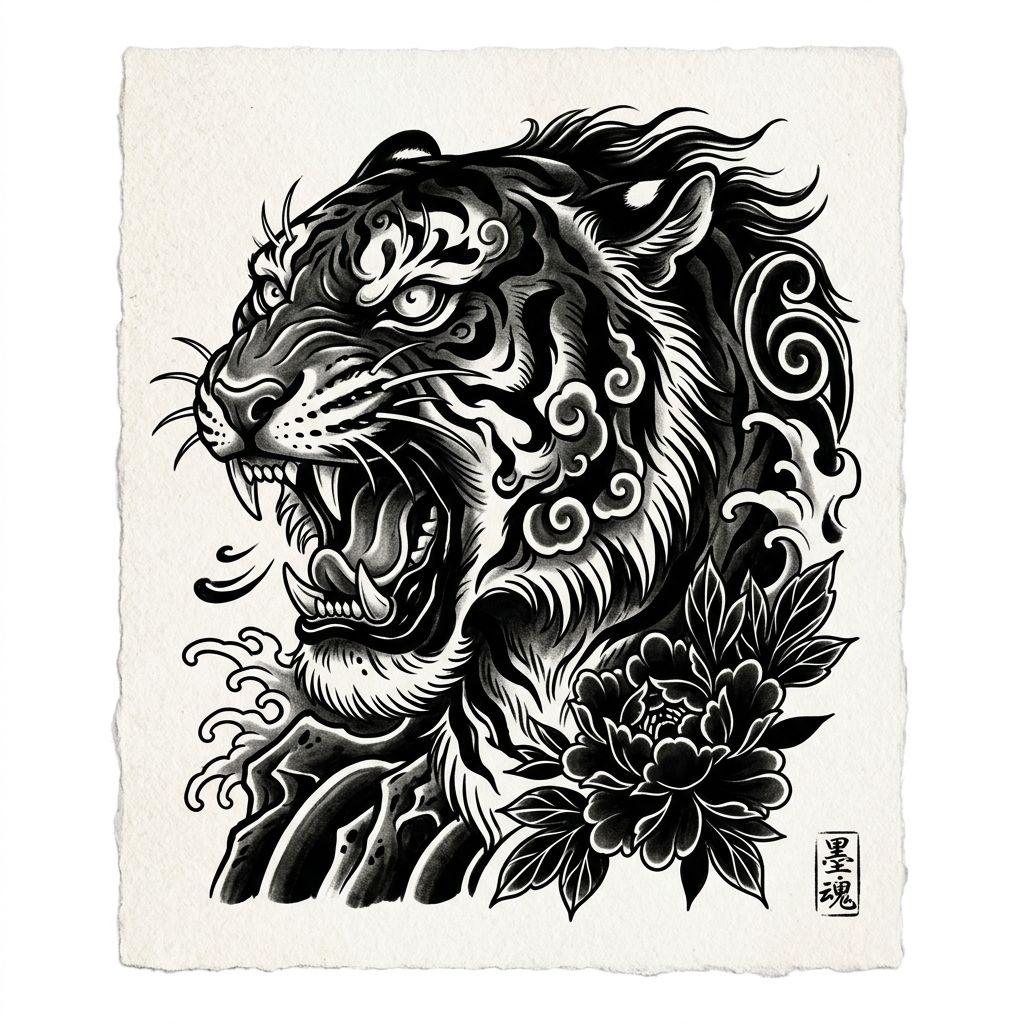
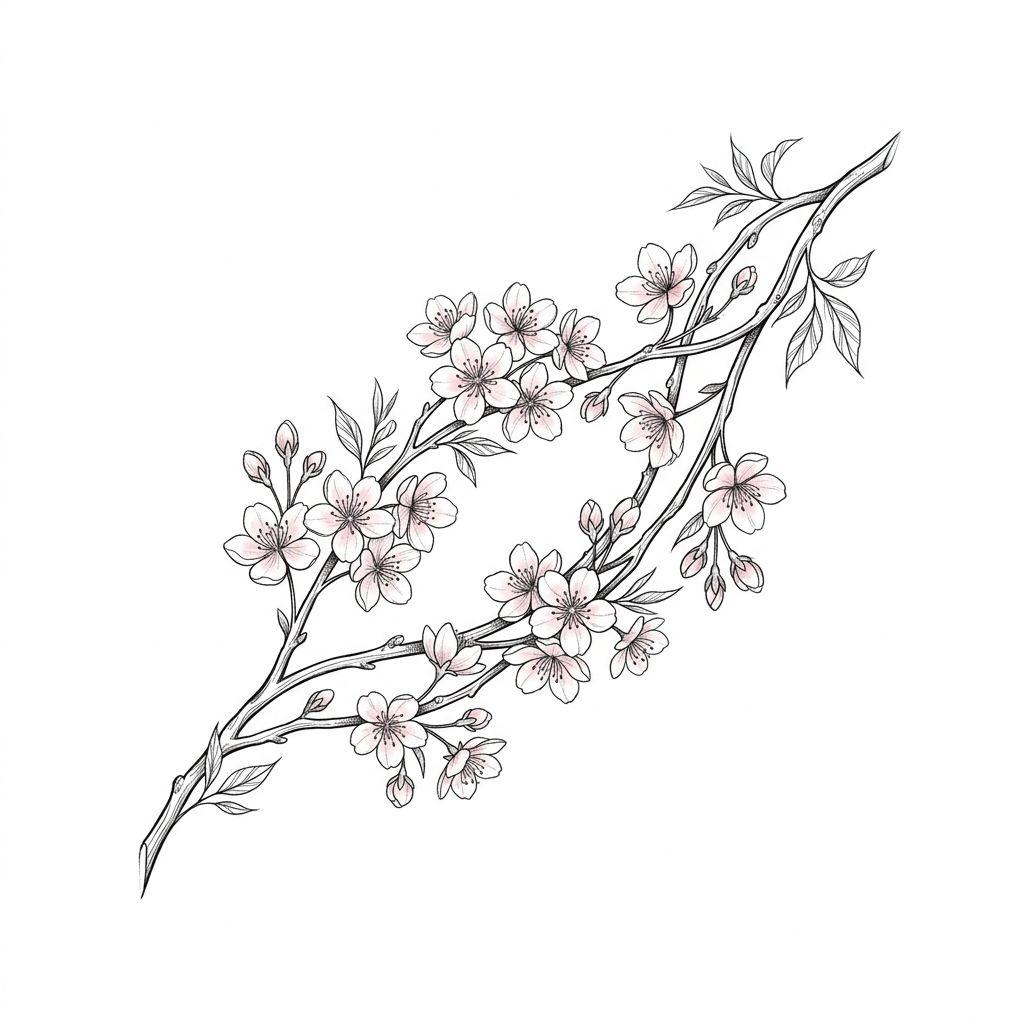
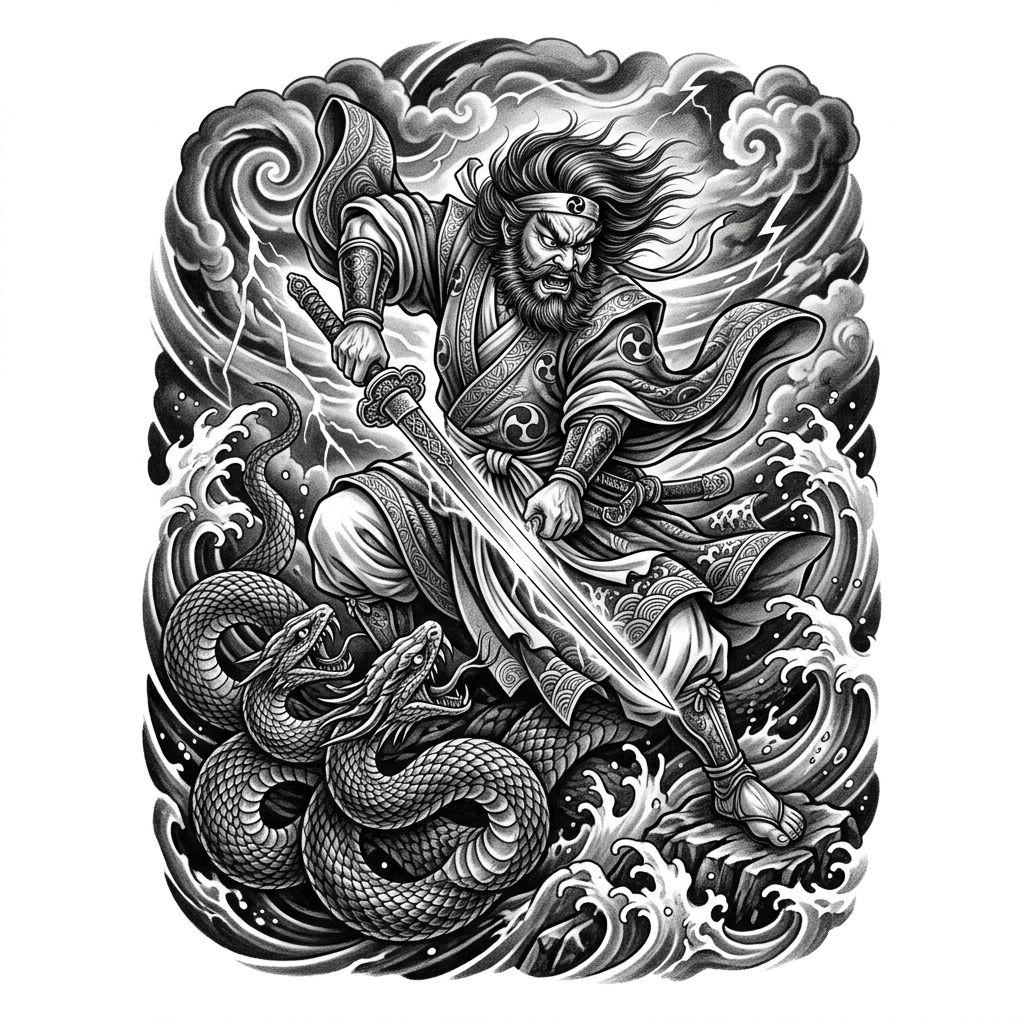
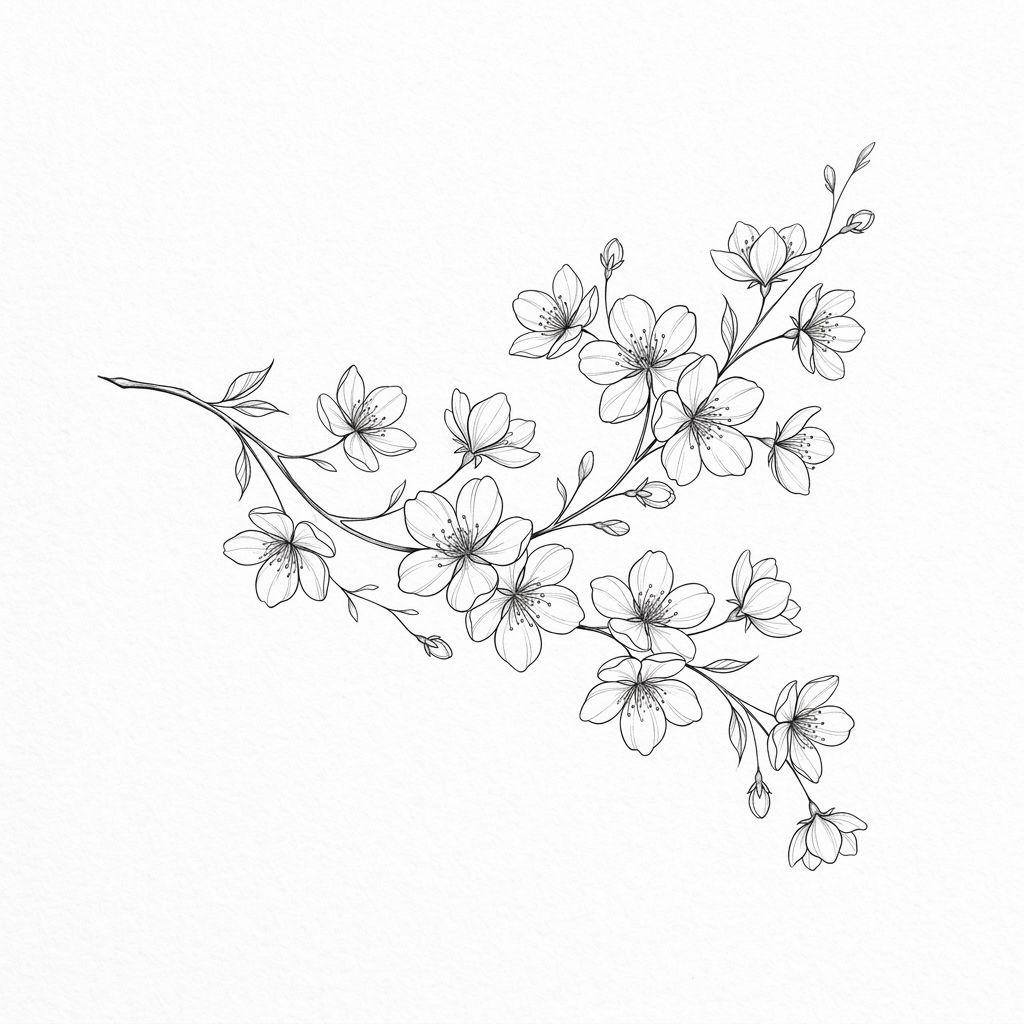
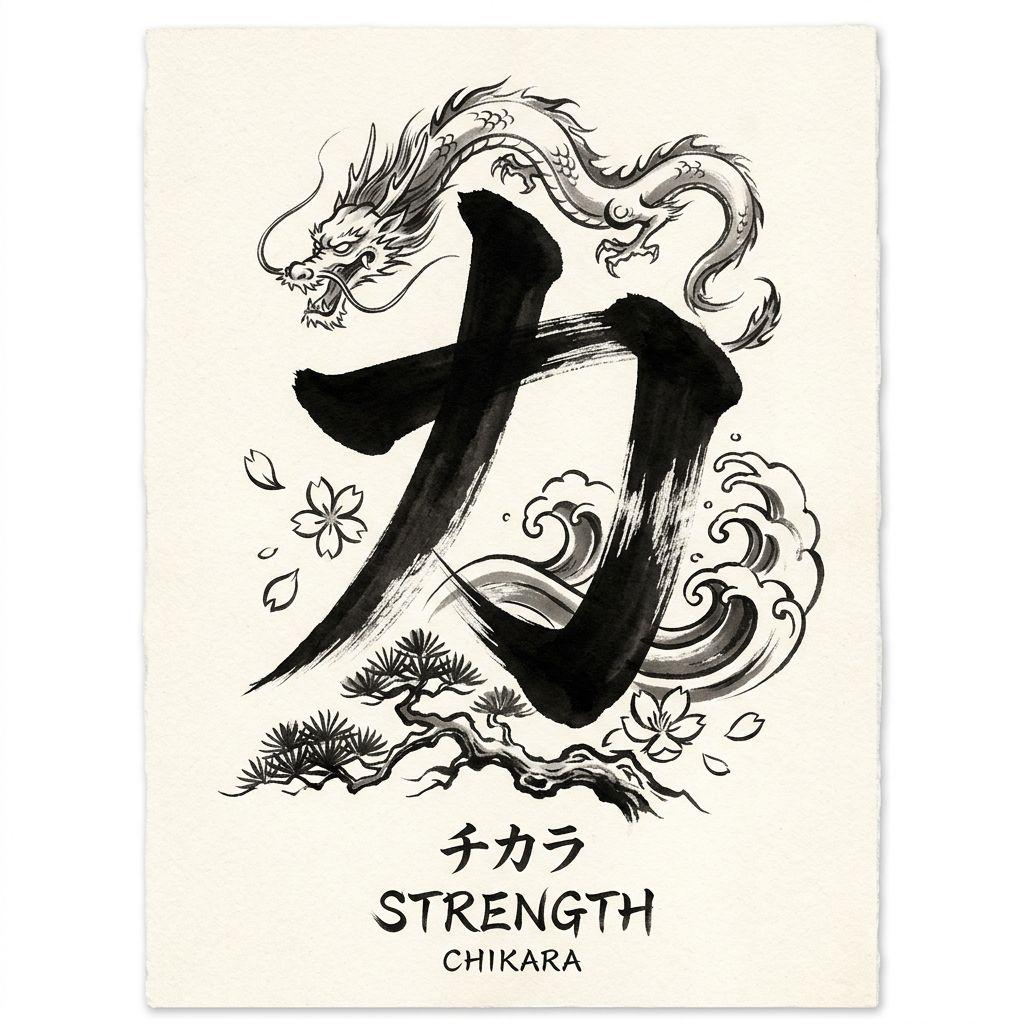
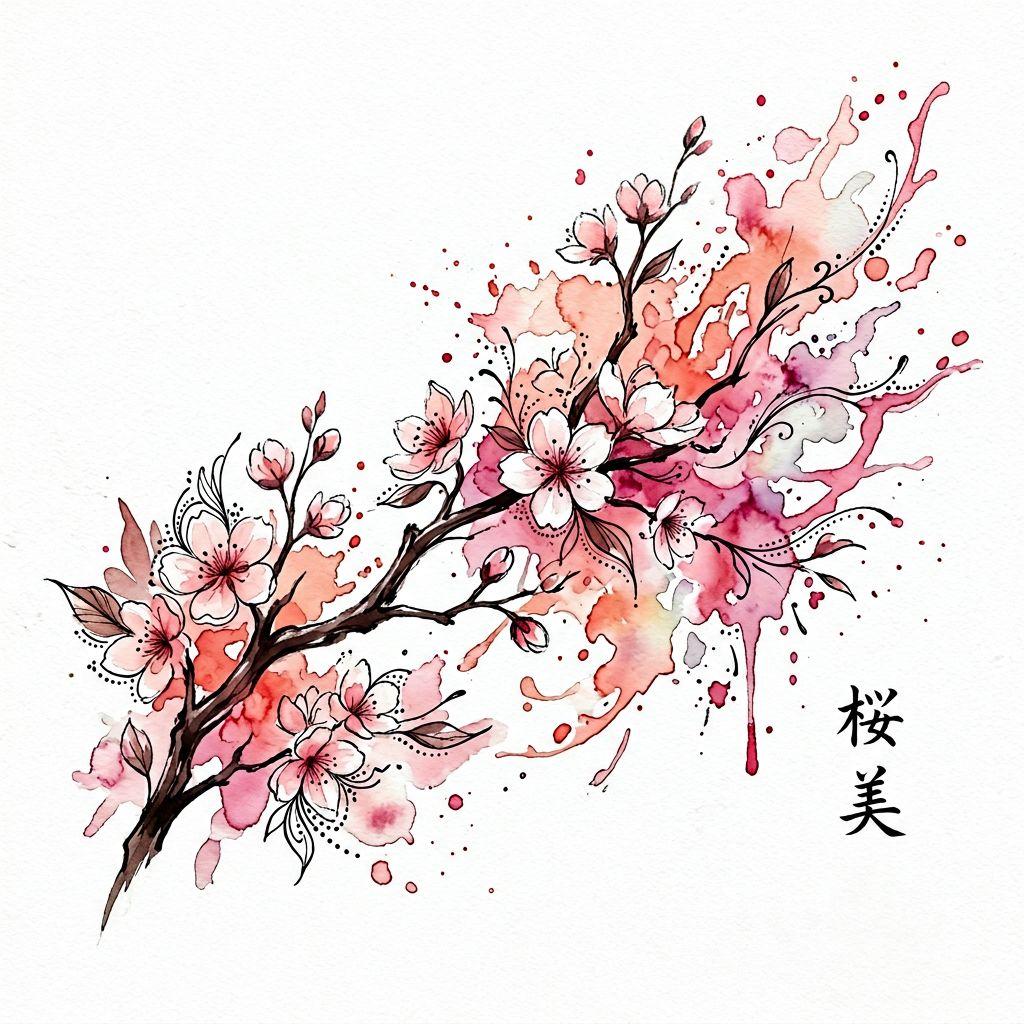
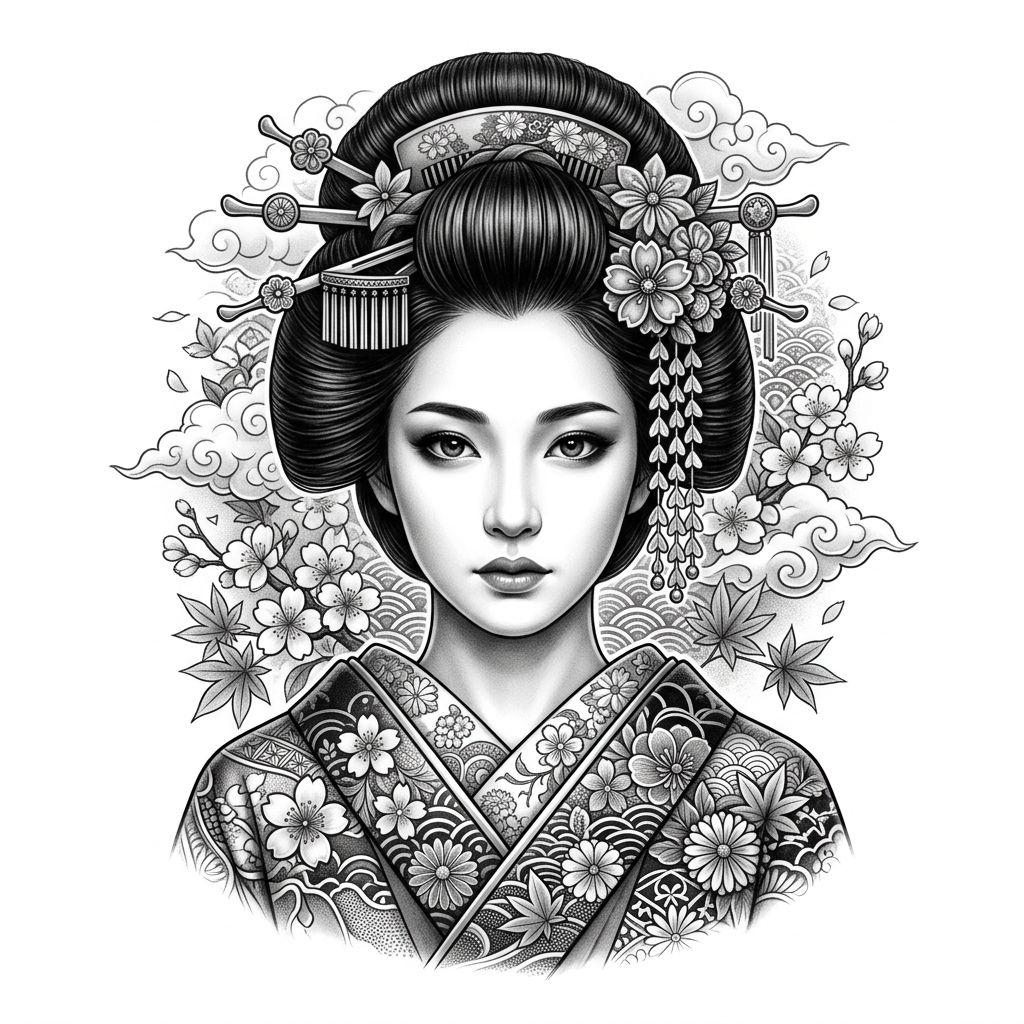
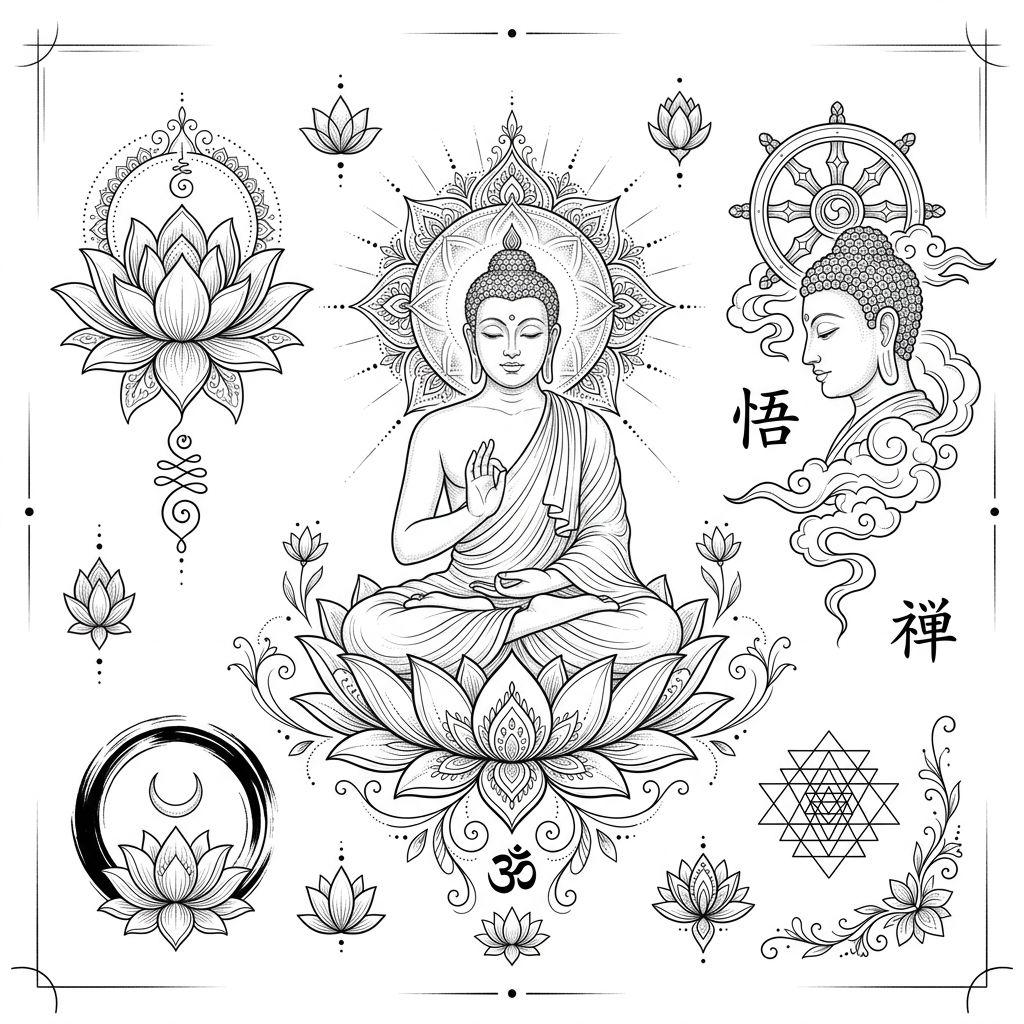
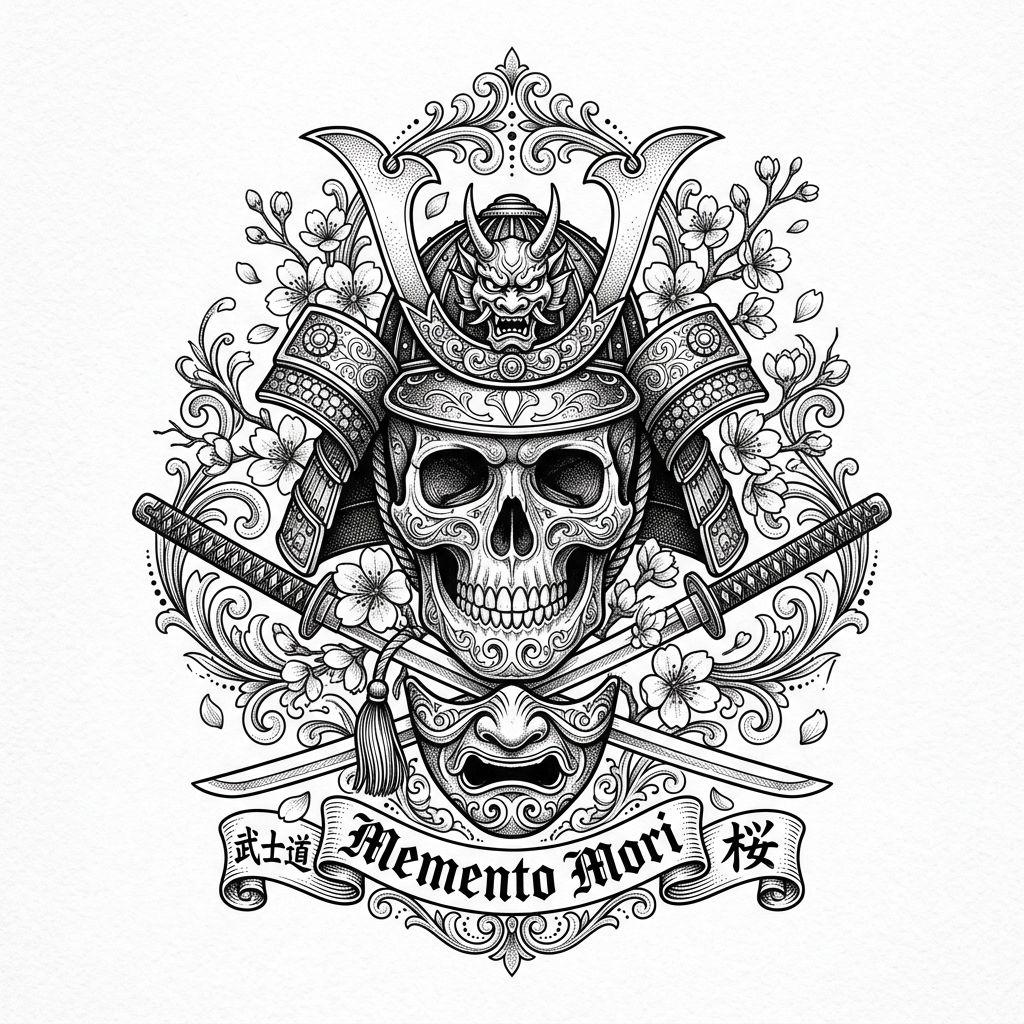
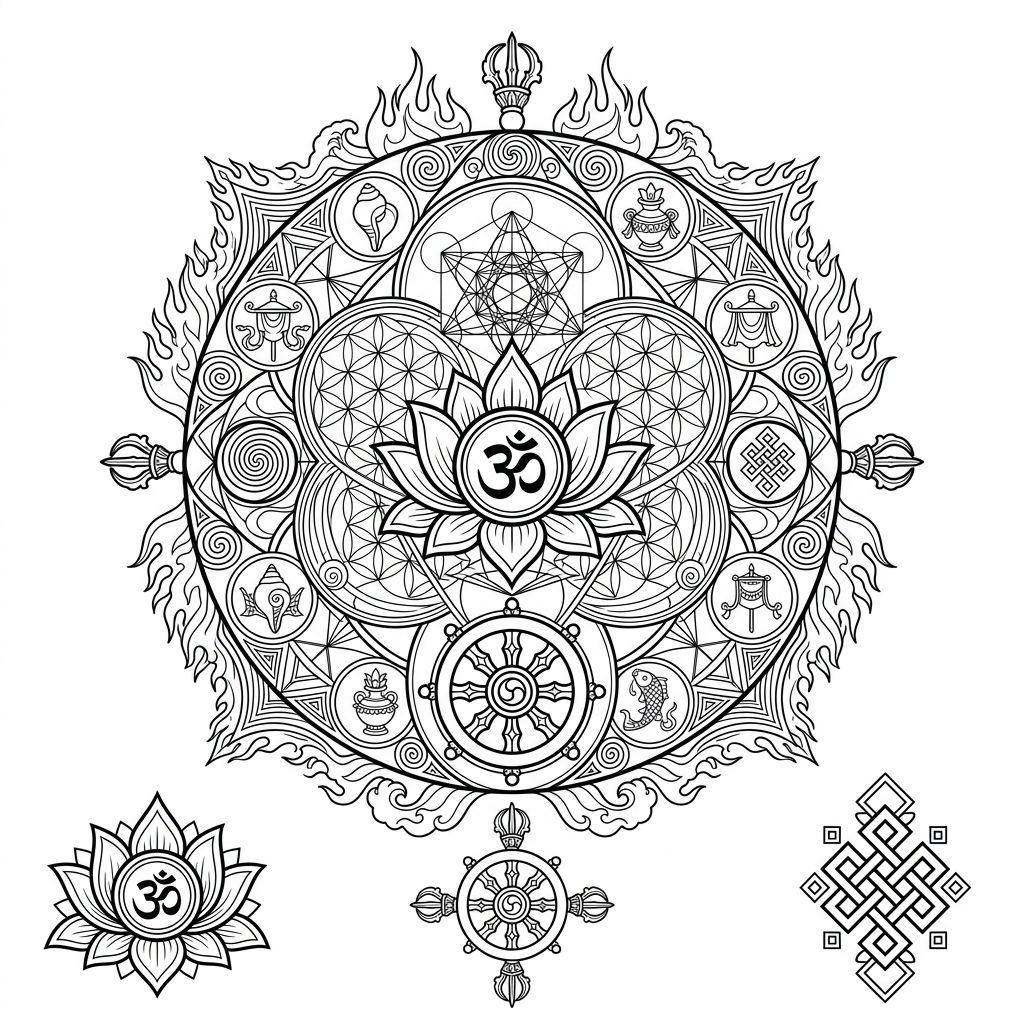
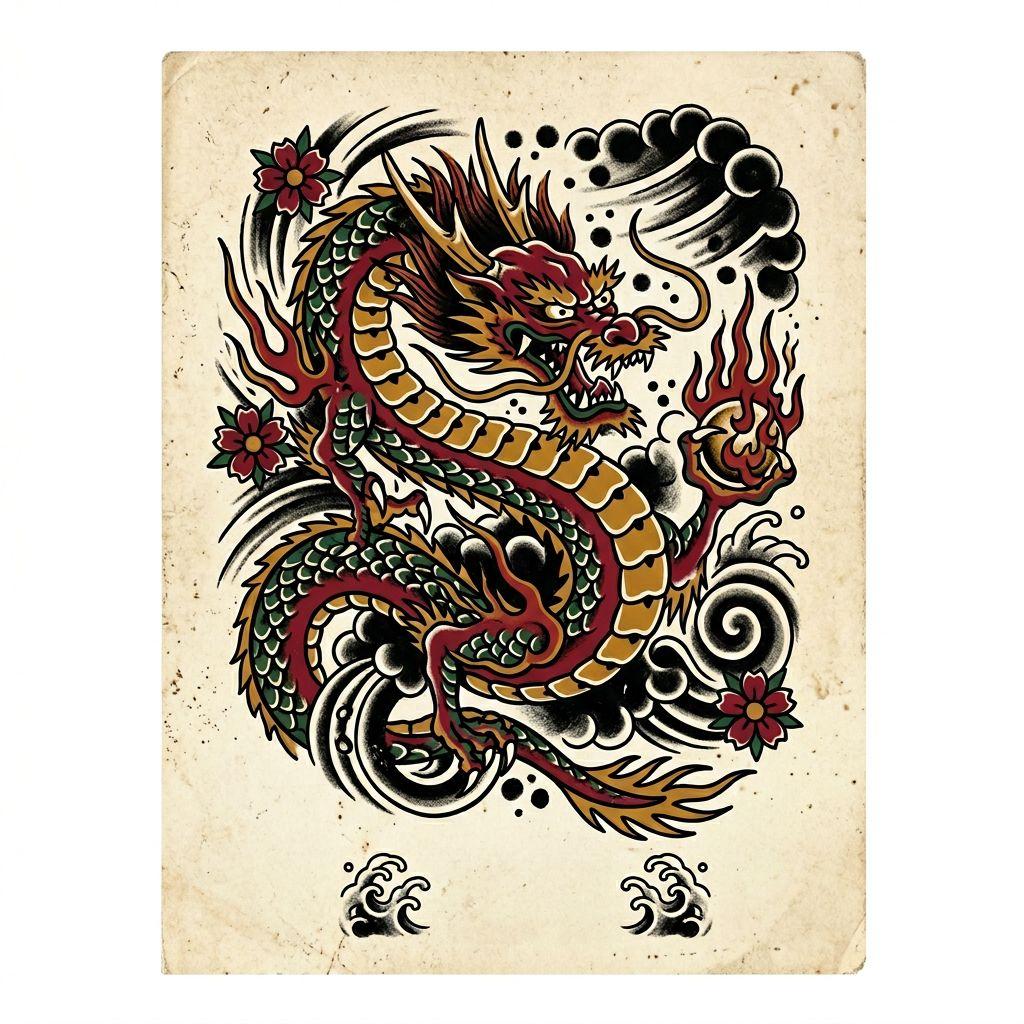
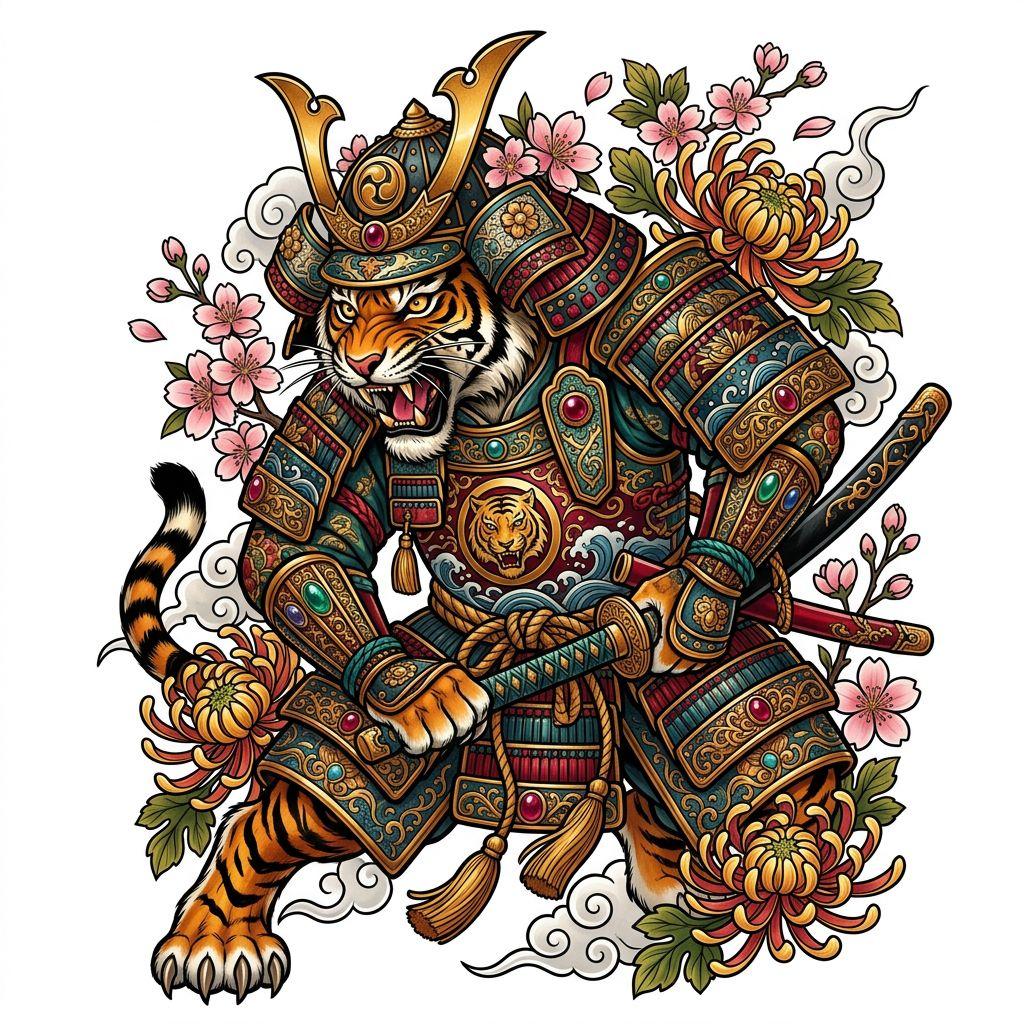
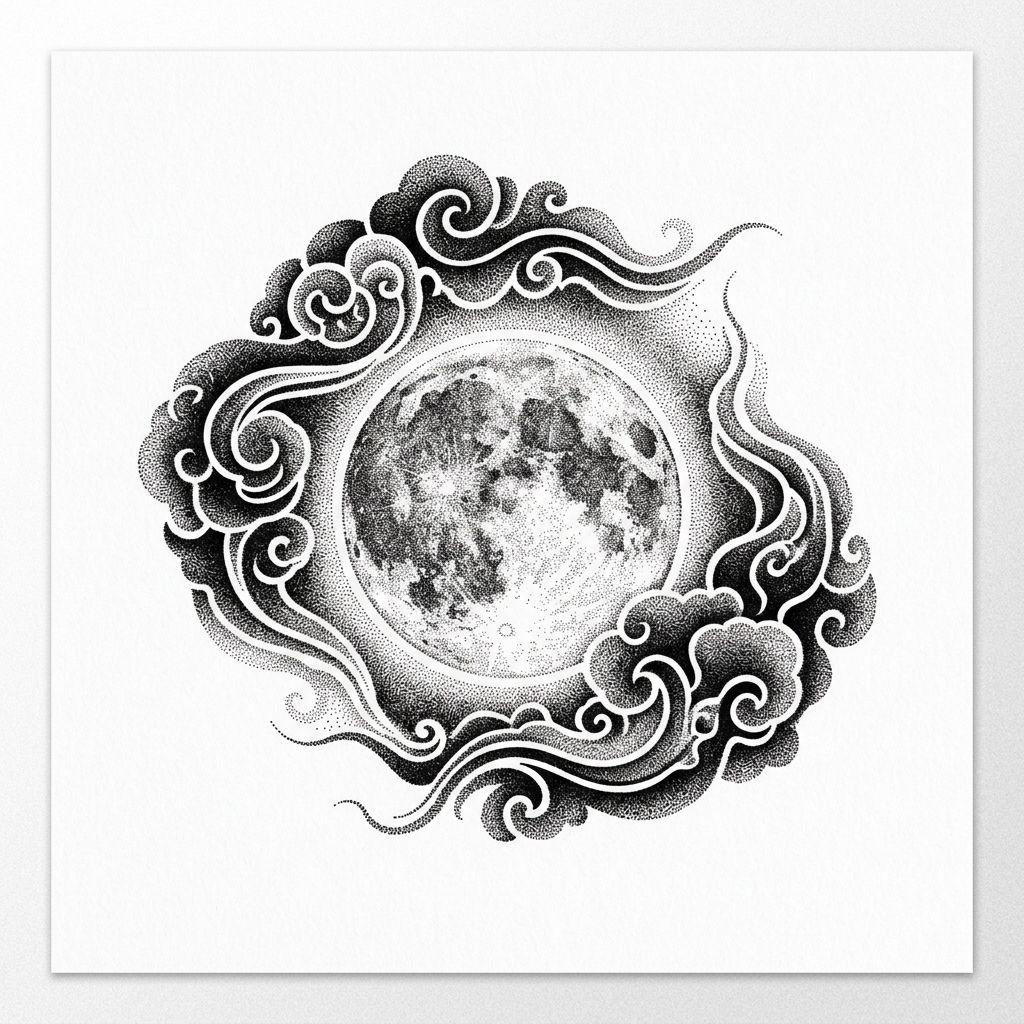
These designs were created with AI. Every tattoo is unique and can be customized to your liking.
Why choose a Japanese tattoo
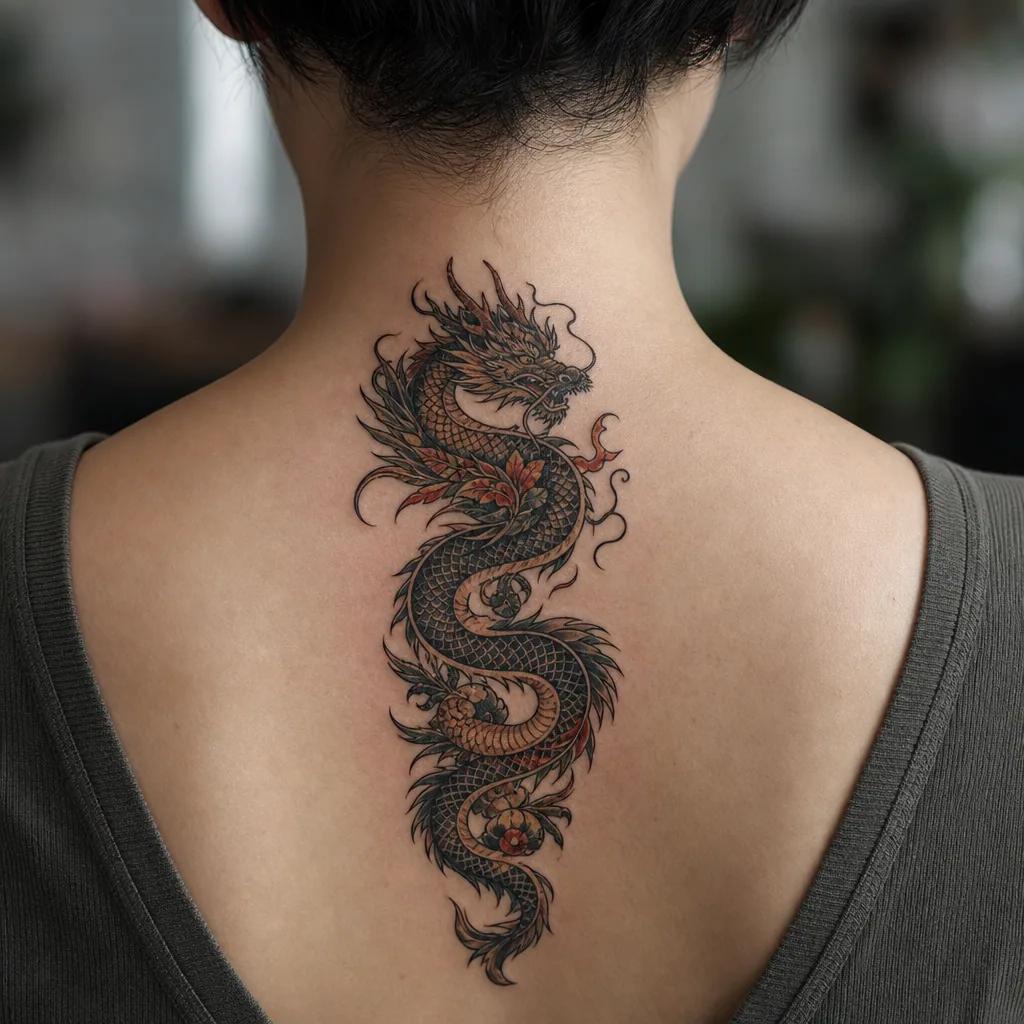
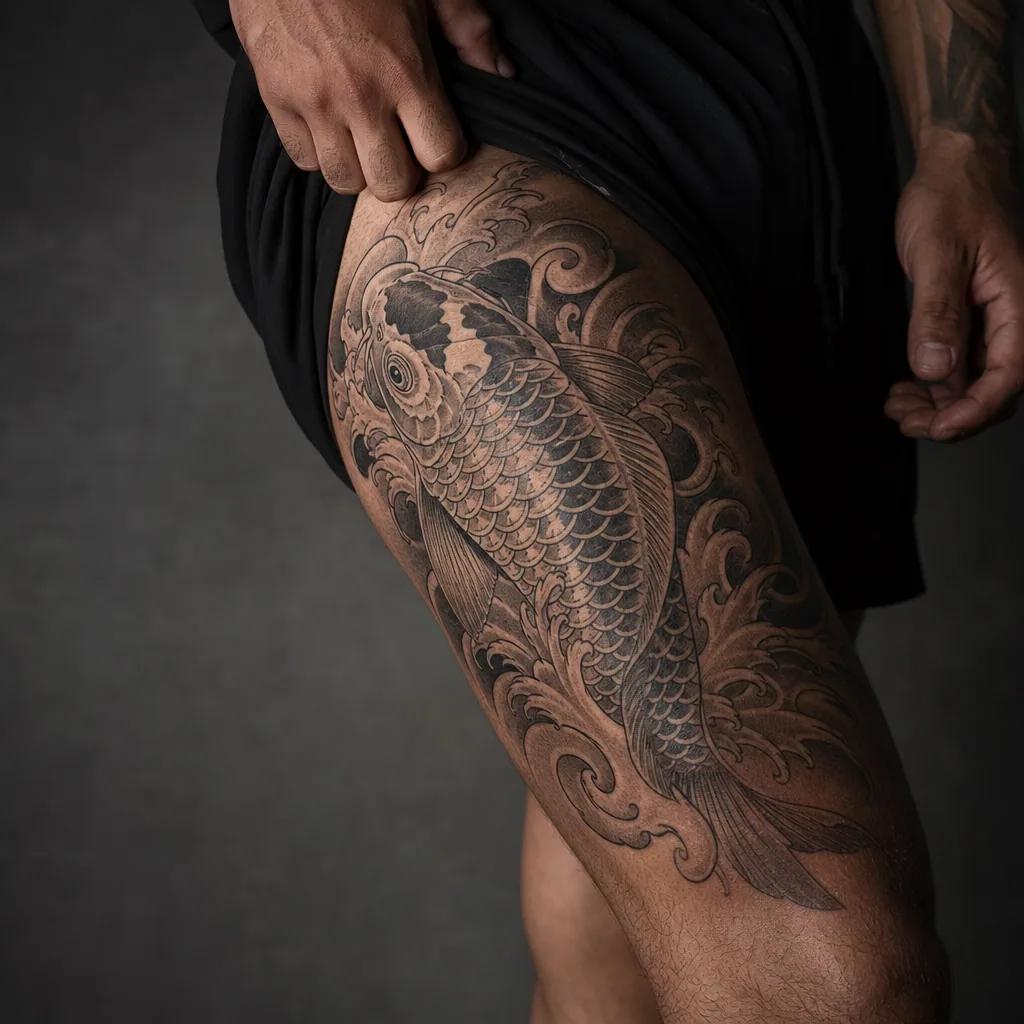
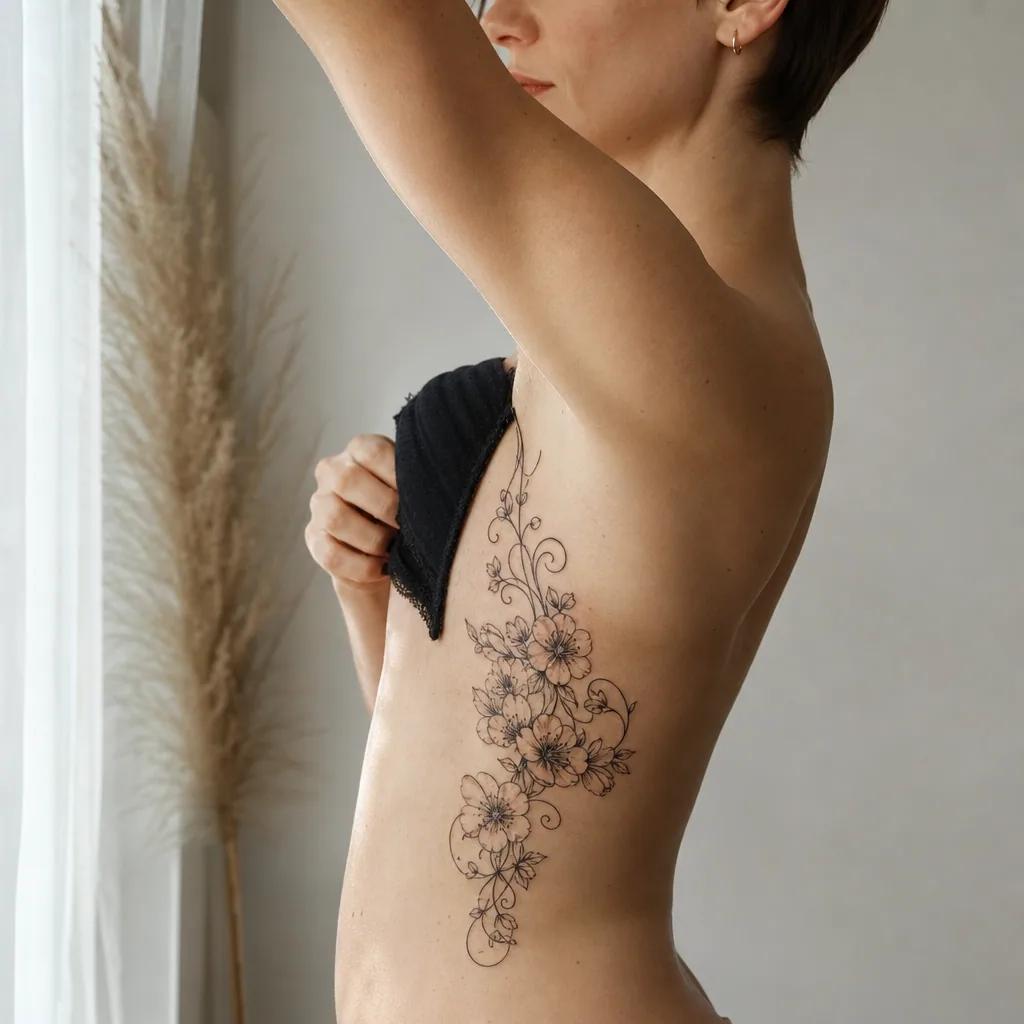
The Japanese tattoo (Irezumi) is one of the most coded and symbol-rich styles in the world. Every motif carries a clear meaning. The koi swimming against the current stands for perseverance. The dragon (Ryu) stands for wisdom and strength. The tiger embodies raw power. Cherry blossoms (sakura) are a reminder of the impermanence of life. The wave represents the energy of destiny. In 2026, classic Japanese sleeves running from the wrist to the shoulder are making a strong comeback, especially with men. Alongside them are finer feminine variations, such as sakura on the wrist or a minimalist koi on the forearm. The key to a successful Japanese tattoo lies in the codes. Do not mix random motifs, because traditional Irezumi avoids negative imagery without a positive counterbalance. Look for an artist who specializes in Irezumi or neo-Japanese work and has a strong portfolio. For a large sleeve, plan on 4 to 8 sessions of 3 to 5 hours each, spaced 4 to 6 weeks apart. If you want to start small, a kanji or a sakura branch are the most elegant ways into this tradition.
See all tattoo ideasPopular styles for a Japanese tattoo
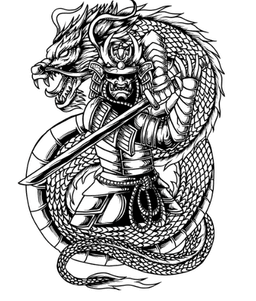
Japanese in Japanese style
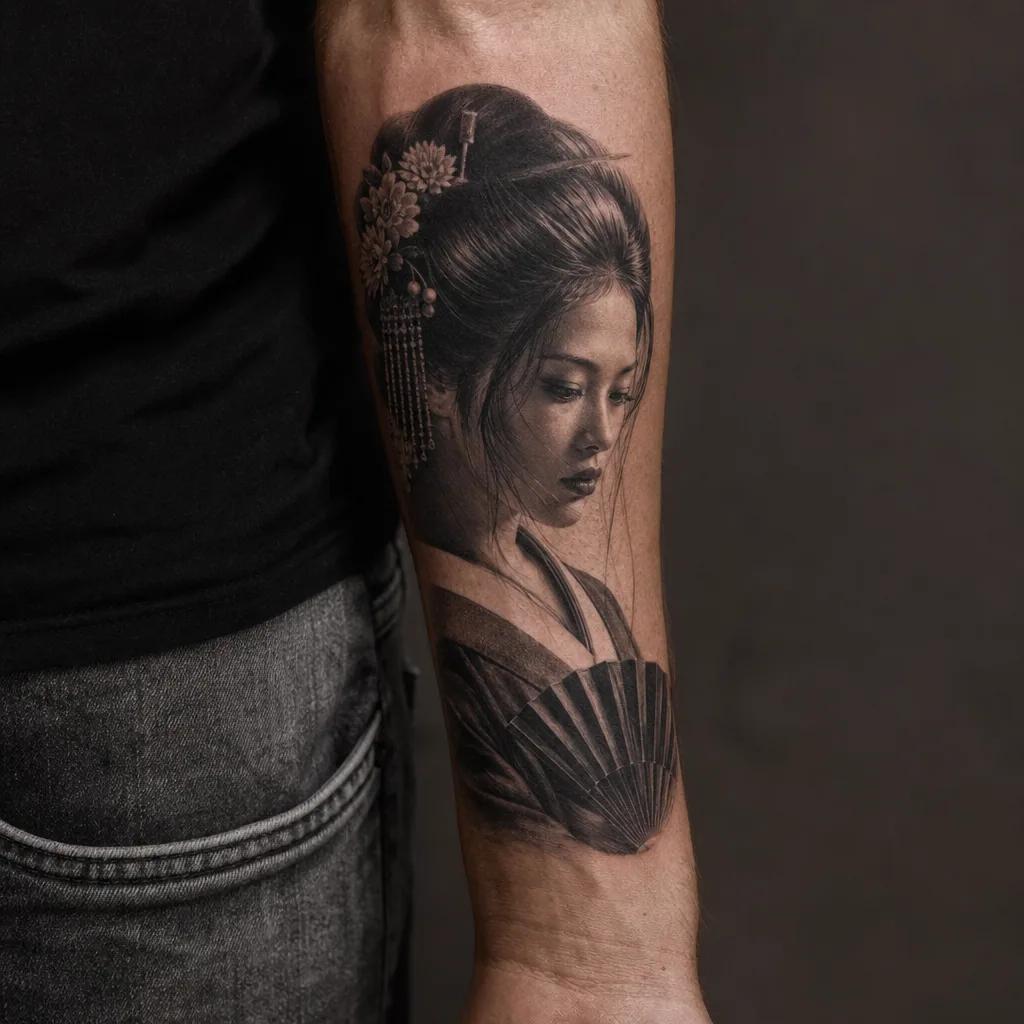
Traditional Japanese (Irezumi) is the king of styles for medium and large pieces. Rich colors (crimson, indigo, gold), fully worked Ukiyo-e gradients, a background of waves and stylized clouds, and large central motifs like a koi, a dragon or a geisha. It needs a specialized artist and plenty of time for a sleeve.
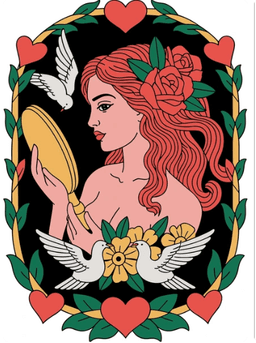
Japanese in Neo-traditional Japanese style
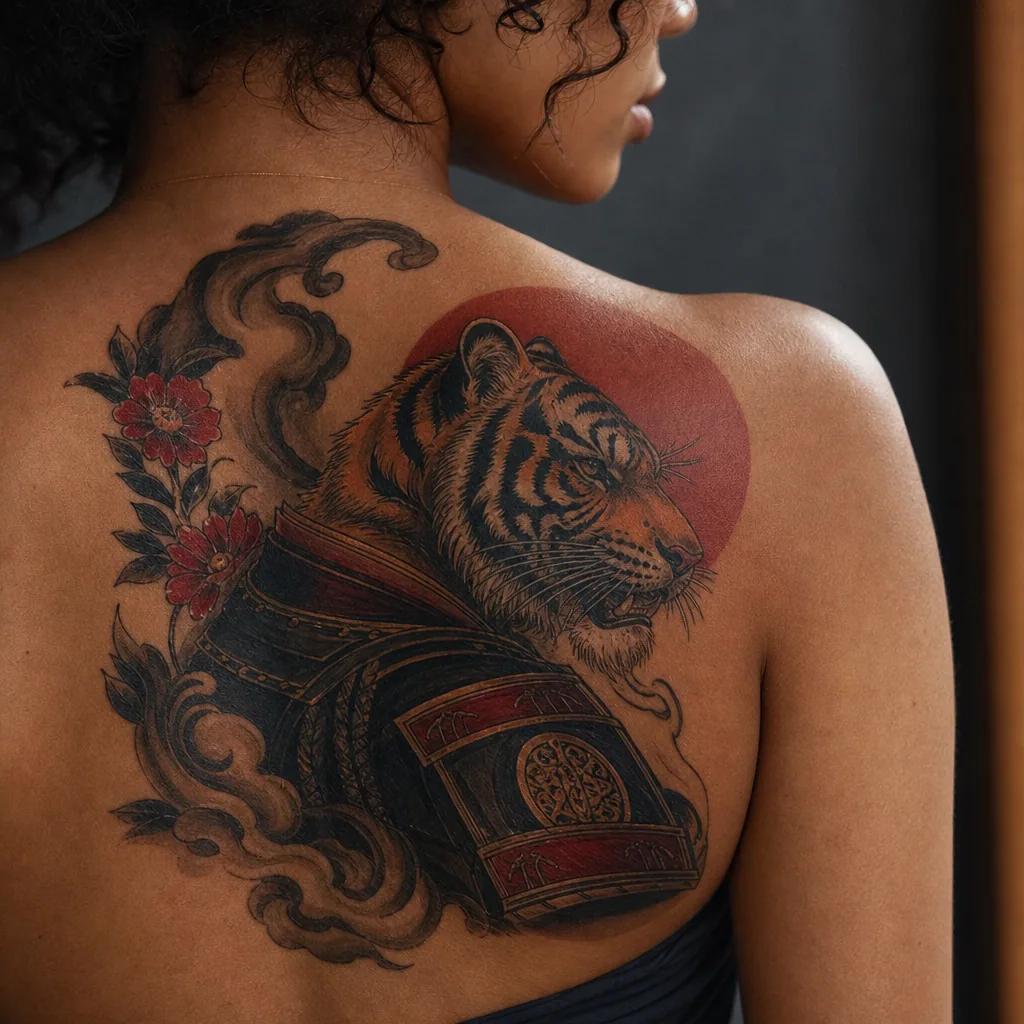
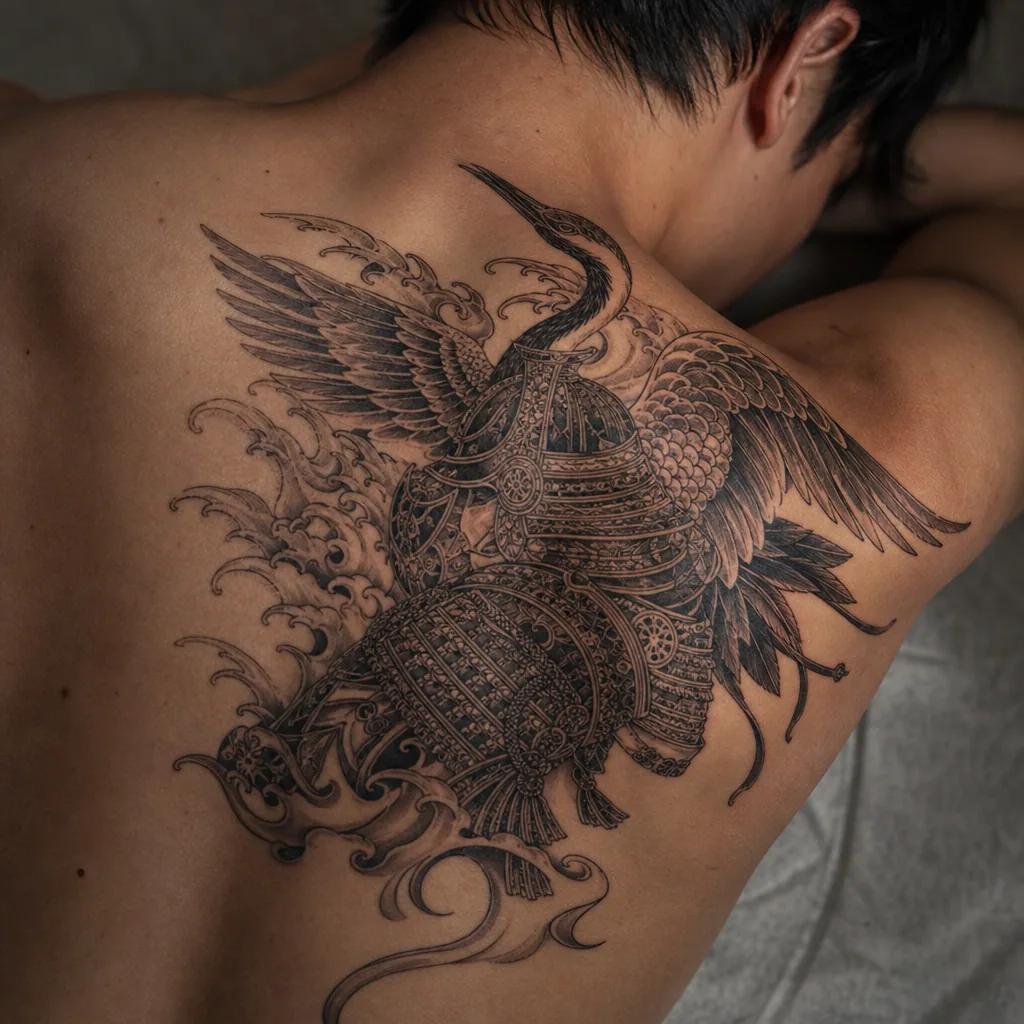
Neo-traditional Japanese modernizes Irezumi with richer jewel tones, bolder outlines and stronger shading. Ideal for dramatic central motifs like a tiger samurai or a colorful dragon, with a clearer, instantly readable impact.
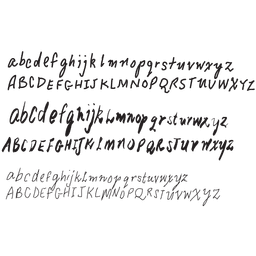
Japanese in Kanji lettering style
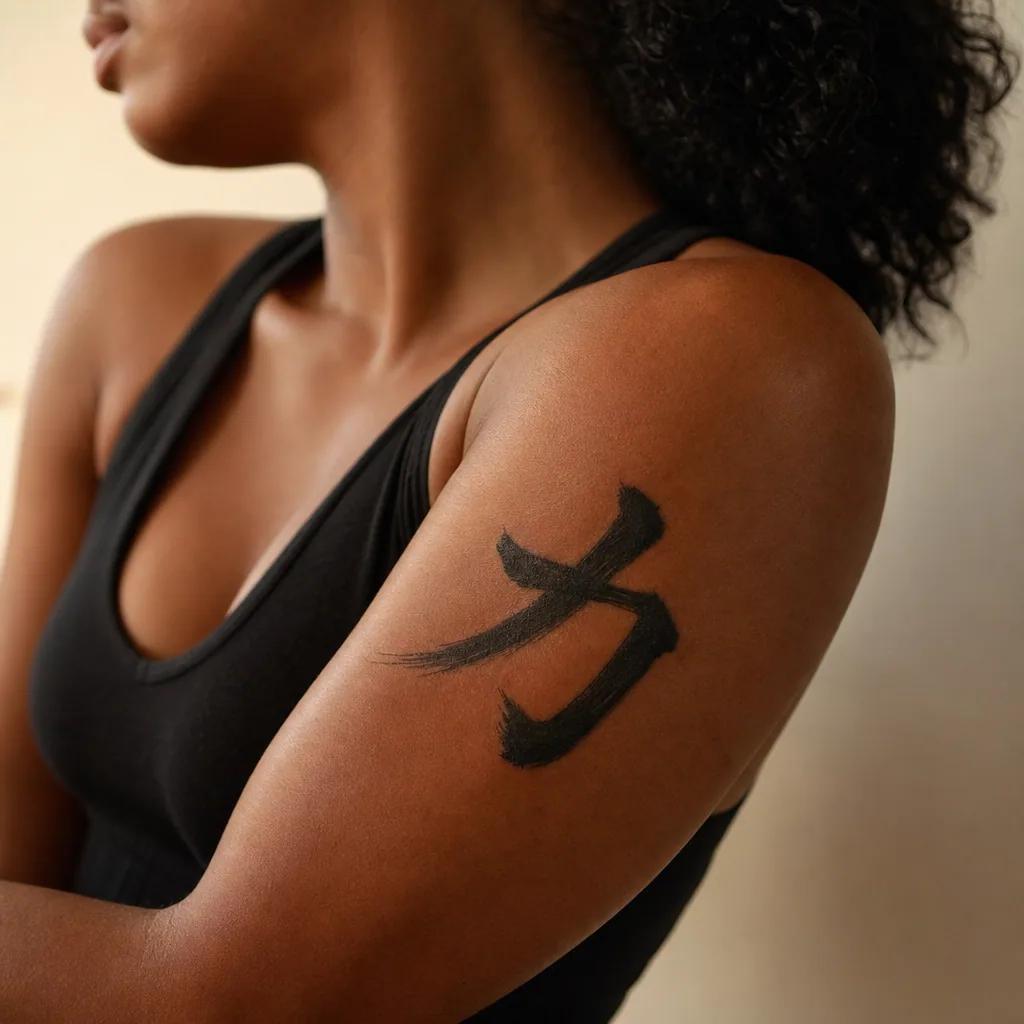
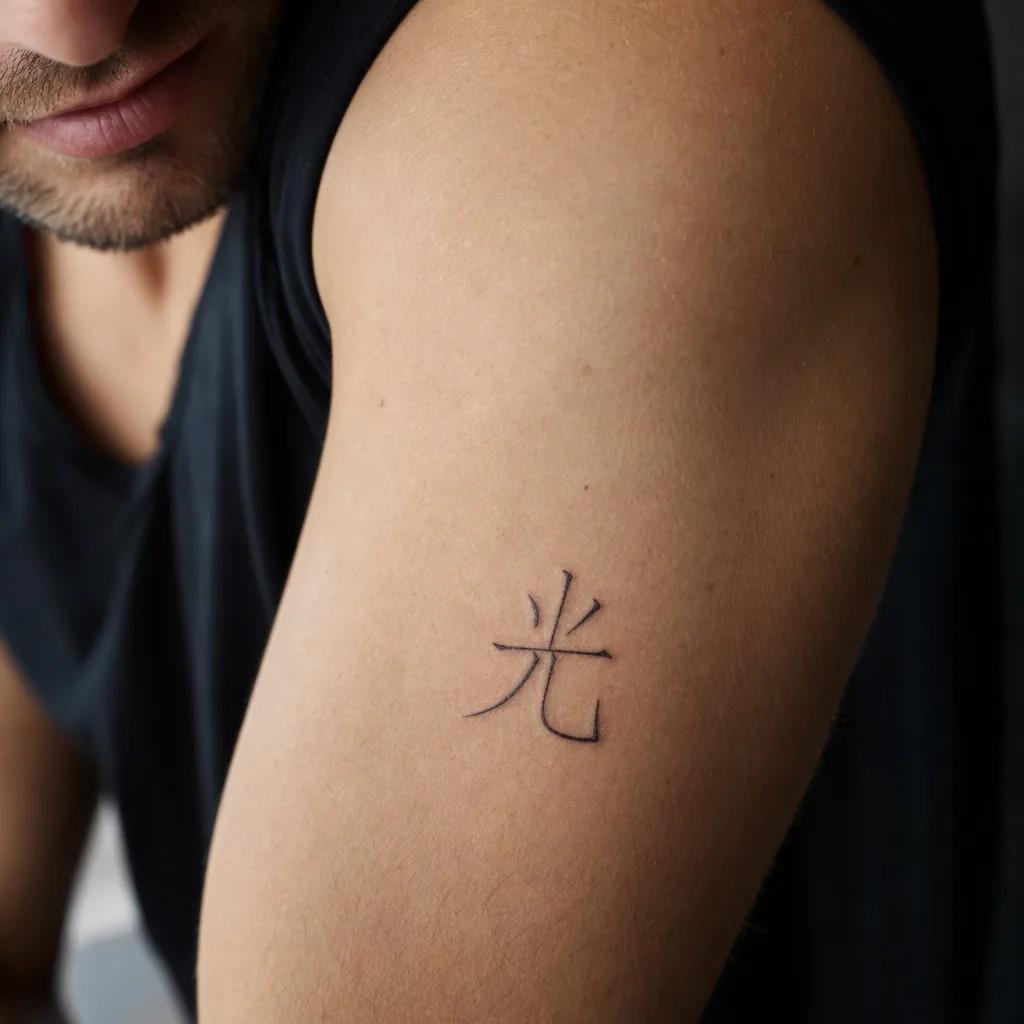
A single kanji in traditional calligraphy is the easiest way into the Japanese tattoo. Words like strength, peace, love or perseverance as one character. Look for an artist comfortable with brush-ink variations so it reads as authentic and calligraphic.
Where to place your Japanese tattoo
Full sleeve (arm)
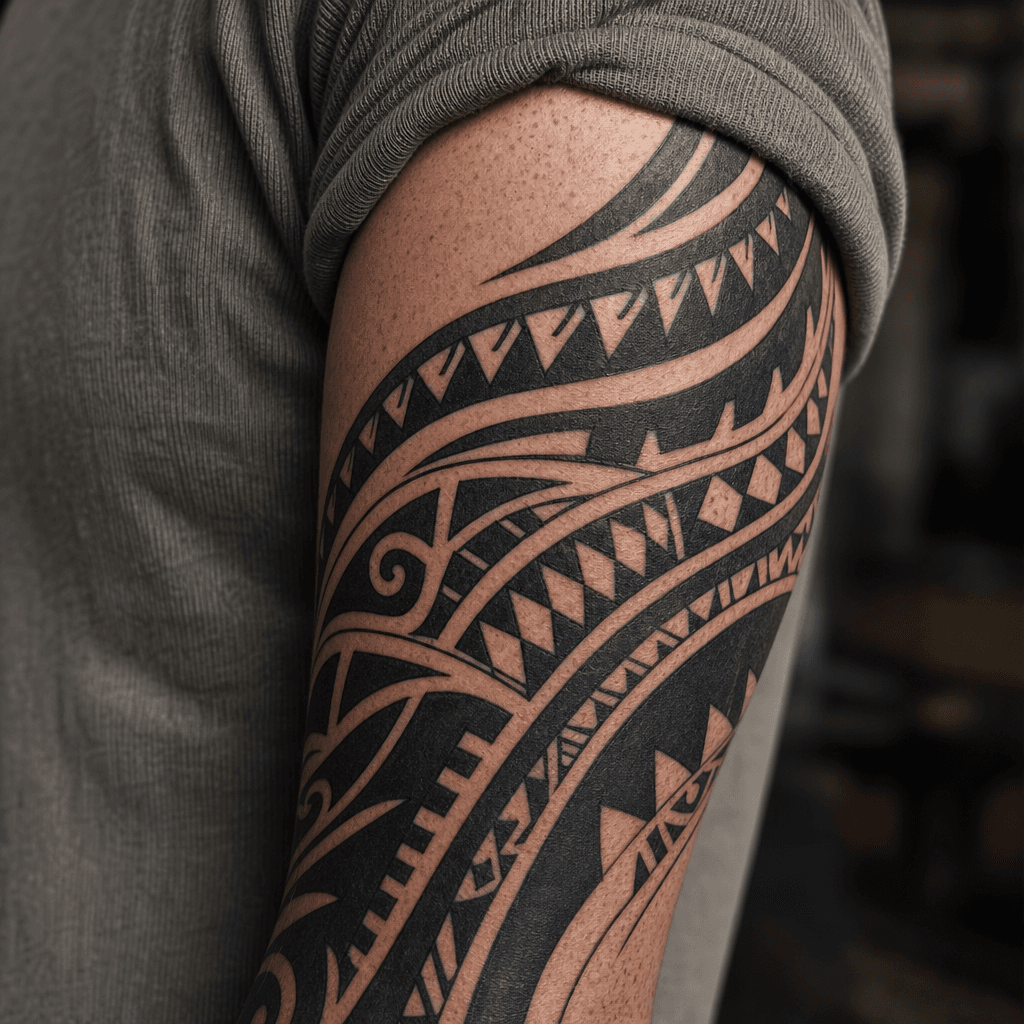
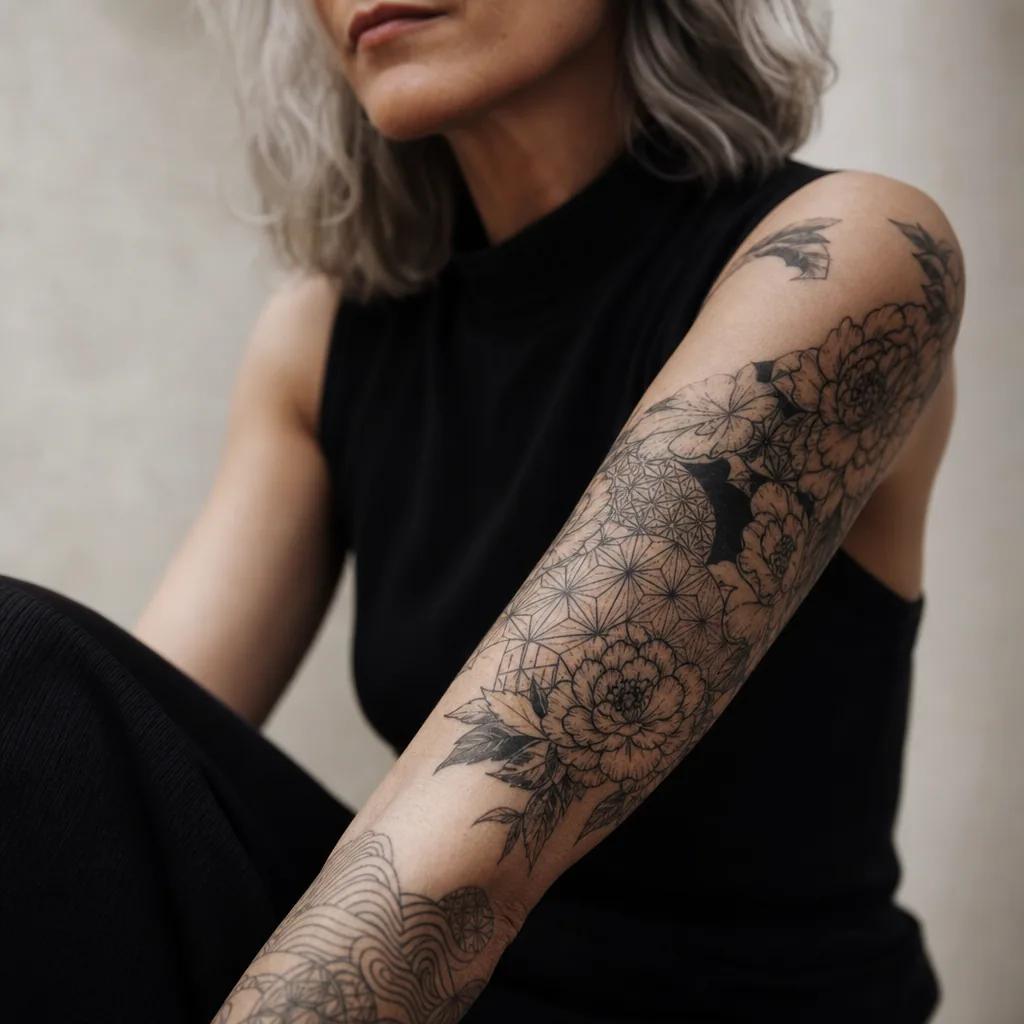
The full sleeve is the classic placement for an Irezumi. A whole narrative, such as a koi, a dragon in the clouds and sakura in the background, wraps around the arm from the shoulder to the wrist. Plan on 4 to 8 sessions of 3 to 5 hours each.
Forearm and wrist
The forearm carries medium Japanese motifs like a single koi, a sakura branch or a kanji with subtle ornamentation. Sized 8 to 15 cm in the traditional or neo-Japanese style. Visible day to day and popular with men and women alike.
Back and shoulder
The back and shoulder offer the largest surfaces for classic Japanese compositions on a grand scale. A hannya mask, a dragon spanning the whole back or a full-page geisha all find their place here. A major undertaking, but a spectacular result.
Tips for a great Japanese tattoo
Prepare your design
Before booking your appointment, take the time to refine your Japanese tattoo idea. With our AI generator you can test different styles, sizes and placements for free in just a few seconds. That way you walk into the studio with a clear reference. Save 3 to 5 variations. Your tattoo artist can use them as inspiration and create a truly unique tattoo, adapted to your anatomy and your skin.
Find the right tattoo artist
Not every artist masters every style. For your Japanese tattoo, browse the Instagram portfolios of several artists and pick someone whose recent work matches the look you have in mind. Check their Google reviews, the studio hygiene (sterile single-use equipment, fresh gloves) and feel free to ask for a consultation beforehand. It is usually free and lets you plan the project together.
On the day of your appointment
Sleep well, eat a proper meal 1 to 2 hours before and drink plenty of water. Avoid alcohol and aspirin for 48 hours before your appointment. Both thin the blood and make the artist's job harder. Wear comfortable clothing that gives easy access to the tattoo area. Bring a sweet snack for breaks if the session runs longer than 2 hours. The more relaxed you are, the better your skin takes the ink.
Healing and aftercare
The first 2 weeks are crucial. Leave the bandage (or healing film like Saniderm) on for as long as your artist tells you. After that, wash the area 2 to 3 times a day with lukewarm water and a mild, fragrance-free soap. Apply a thin layer of healing cream (Bepanthen, Hustle Butter, Cicaplast). Avoid pools, saunas, baths and direct sun for at least 4 weeks. Above all: never scratch, even when it itches.
Long-term care
A well-cared-for tattoo can still look great 20 years or more after it has healed. The golden rule: SPF 50 sunscreen whenever the area is exposed to the sun. The sun is the ink's worst enemy. Moisturize your skin daily, especially in winter. For fine-line or minimalist tattoos, plan a possible touch-up after 5 to 10 years to refresh the lines.
Create your Japanese tattoo with AI
Describe your idea, choose your style and get designs in seconds. The AI understands your preferences and creates tattoos ready for your artist.
Create my Japanese tattooFrequently asked questions
01Which Japanese motif should I choose for my tattoo?
+
Which Japanese motif should I choose for my tattoo?
It depends on the meaning: KOI (perseverance, transformation, life path), DRAGON/Ryu (wisdom, strength, protection), TIGER (raw power, courage), SAKURA (impermanence, fleeting beauty), GEISHA (refinement, feminine mystery), HANNYA MASK (the transformation of destructive emotions), SAMURAI (honor, discipline). For a single kanji, pick the word that fits your story.
02How much does a Japanese tattoo cost?
+
How much does a Japanese tattoo cost?
Expect around $100 to $200 for a single kanji or a subtle fine-line sakura branch, $400 to $800 for a medium motif like a koi or a geisha portrait, $1,500 to $3,000 for a traditional half-sleeve and $4,000 to $8,000 for a full sleeve. Colorful neo-Japanese work usually costs 20 to 30 percent more than black-and-grey.
03Do I need a specialized artist for a Japanese tattoo?
+
Do I need a specialized artist for a Japanese tattoo?
Absolutely. Irezumi has its own aesthetic codes (composition, colors, background) and specific techniques (Ukiyo-e gradients, traditional shading). A generalist makes a tattoo in the Japanese style, a specialist makes a true Irezumi. Check the portfolio: if the artist has 20 or more strong Japanese pieces, that is a good sign. Otherwise keep looking, even if you have to wait.
Good to know before your session
All guidesThe questions you are probably asking yourself right now.
Related ideas
More motifs and placements for your project.